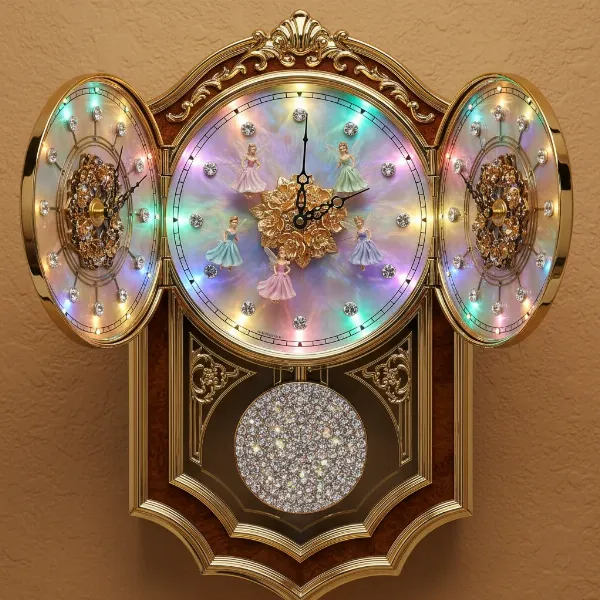
Do you own an antique mechanical wall clock, a cherished heirloom that tells more than just time? These magnificent timepieces, with their intricate gears and rhythmic ticks, hold stories of generations past. However, their longevity and precise operation depend entirely on diligent care and maintenance. Without proper attention, dust, grime, and wear can silence their beautiful symphony. This comprehensive guide will equip you with the expert knowledge to clean, maintain, and preserve your antique mechanical wall clock, ensuring it continues to grace your home with its timeless charm and accurate timekeeping for years to come.
The Enduring Legacy: A Brief History of Mechanical Wall Clocks
The journey of the mechanical wall clock is a fascinating testament to human ingenuity. Emerging in Europe around the 13th century, these early mechanical marvels began as functional necessities, evolving over centuries into intricate works of art. Key innovations, such as the pendulum, introduced in the mid-17th century by Christiaan Huygens, dramatically improved accuracy, transforming them from mere time indicators into precision instruments. Throughout the Baroque, Rococo, and Victorian eras, wall clocks reflected prevailing artistic movements, with their cases becoming canvases for elaborate carvings, marquetry, and metalwork. From the simple, utilitarian designs of early workshops to the ornate masterpieces adorning grand estates, each antique mechanical wall clock carries a piece of history, showcasing advancements in horology and the evolving aesthetic tastes of its time. Understanding this rich heritage underscores the importance of preserving these valuable artifacts.
Decoding Time: Understanding Types of Antique Mechanical Wall Clocks
Antique mechanical wall clocks encompass a diverse array of designs and mechanisms, each with unique characteristics that influenced their care and maintenance. Primarily, these clocks are categorized by their power source: weight-driven or spring-driven. Weight-driven clocks, often found in larger, older examples, utilize descending weights to power their movements, frequently coupled with long pendulums for regulation. Spring-driven clocks, more compact and versatile, rely on coiled mainsprings that release energy as they unwind, making them suitable for various case styles.
Beyond the fundamental power source, many antique wall clocks feature pendulums, which regulate the clock’s timing through their consistent swing. Other distinctions arise from their chime and strike mechanisms, which can range from simple hourly strikes to complex musical sequences. Decorative variations are endless, from the rustic charm of cuckoo clocks to the elegant simplicity of regulator clocks, or the stately presence of grandfather clock movements housed in wall-mounted cases. Each type, while sharing core mechanical principles, demands a nuanced approach to cleaning and maintenance, respecting its specific design and construction materials.
A Meticulous Endeavor: Comprehensive Cleaning of Your Antique Mechanical Wall Clock
Cleaning an antique mechanical wall clock is a delicate process that requires patience, precision, and the right tools. Proper cleaning removes accumulated dust, solidified oils, and corrosion, which are primary culprits behind sluggish or stopped movements. It’s a task best approached methodically to ensure no damage occurs to its valuable components.
Preparing Your Workspace and Tools
|
Our Picks for the Best Wall clock in 2026
As an Amazon Associate I earn from qualifying purchases.
|
||
| Num | Product | Action |
|---|---|---|
| 1 | AKCISOT Wall Clock, Modern Small Wall Clocks Battery Operated 8 Inch, Silent Non-Ticking Analog Classic for Office, Home, Bathroom, Kitchen, Bedroom, School(Silver) |

|
| 2 | AKCISOT Wall Clock, Modern Small Wall Clocks Battery Operated 8 Inch, Silent Non-Ticking Analog Classic for Office, Home, Bathroom, Kitchen, Bedroom, School(Black) |
|
| 3 | HIIXHC Wall Clock, Modern Digital Wall Clocks Battery Operated 10 Inch, Silent Non-Ticking Kitchen Clock, Small Classic Analog Clock Decorative for Living Room Decor, Bedroom,Office, Classroom |
|
| 4 | AKCISOT Wall Clock, Modern Small Wall Clocks Battery Operated 8 Inch, Silent Non-Ticking Analog Classic for Office, Home, Bathroom, Kitchen, Bedroom, School(White) |
|
| 5 | AKCISOT Wall Clock 10 Inch Silent Non-Ticking Modern Clocks Battery Operated - Analog Small Classic for Office, Home, Bathroom, Kitchen, Bedroom, School, Living Room(Black) |
|
| 6 | AKCISOT Wall Clock,Boho Kitchen 10 Inch Wall Clocks Battery Operated Non Ticking,Silent Modern Clock Decorative for Bedroom,Office,Bathroom,Living Room,Home (Wood Grain) |
|
| 7 | AKCISOT Atomic 10 Inch Wall Clock Analog Clocks for Indoor Kitchen, Battery Operated Clock for Bedroom Office Classroom Living Room(Silver) |
|
| 8 | AKCISOT Wall Clock 10 Inch Silent Wall Clocks Battery Operated Non Ticking - Modern Silver Clock Decorative for Kitchen, Bathroom, Bedroom, Living Room, Office, Home(Silver) |
|
| 9 | AKCISOT Atomic 10 Inch Wall Clock Analog Clocks for Indoor Kitchen, Battery Operated Clock for Bedroom Office Classroom Living Room(Black) |
|
| 10 | WallarGe 14.5'' Large Digital Wall Clock Battery Operated with Jumbo Numbers, Temperature and Date - Easy to Read and Set, Auto DST |
|
Before you begin, set up a clean, well-lit workspace. Gather essential tools: a magnifying glass or loupe for close inspection, precision screwdrivers, fine-tipped pliers and tweezers for handling small parts, a soft-bristle brush (nylon or brass), pegwood (sharpened wooden sticks for cleaning crevices), lint-free cloths, high-quality clock cleaning fluid (non-ammoniated is often preferred to protect lacquers), specialized clock oil, and protective gloves. Always prioritize safety and prevent oil transfer from your skin to delicate components.
The Art of Disassembly: When and How
For a truly thorough cleaning, complete disassembly of the clock movement is often necessary. Simply “dunking” an assembled movement in cleaning solution is strongly discouraged, as remaining dirt acts as an abrasive, shortening the movement’s life.
- Document Every Step: As you disassemble, take numerous photographs and make detailed notes. Label all screws and small parts, storing them in separate, labeled containers. This meticulous documentation is crucial for correct reassembly.
- Careful Removal: Begin by gently removing the clock case, then detach the movement by unscrewing mounting brackets. Carefully remove the hands using hand pullers or tweezers, then proceed to disassemble the gear train, mainspring barrels, and escapement parts. Handle all components with extreme care to prevent bending or breaking.
Cleaning the Case: Preserving External Beauty
The clock’s case, whether wood or brass, also requires careful cleaning to maintain its aesthetic appeal.
- Wooden Cases: For wooden cases, gently wipe away surface dust with a soft, dry microfiber cloth. Avoid abrasive materials or harsh chemicals. For a deeper clean, apply a specialized clock case restorer or a high-quality wood cleaner, allowing the wood’s natural patina to shine without damaging its finish.
- Brass Cases: Brass cases, prone to tarnishing and fingerprints, can be cleaned with a mild solution of warm soapy water or a brass-friendly cleaner and a soft cloth. Wipe in small circles and dry immediately and thoroughly to prevent water spots or rust.
- Glass Panels: Clean glass covers gently with a lint-free cloth and a small amount of glass cleaner.
Cleaning the Movement: The Heart of the Clock
This is the most critical and delicate part of the cleaning process.
- Initial Dust Removal: Before immersing, use a soft brush to remove any loose dust or debris from the disassembled parts.
- Cleaning Solutions: Place compatible metal parts into a tray of specialized clock cleaning fluid. Options include non-ammoniated concentrates, which are environmentally friendly and effective at removing oils, grease, tarnish, and corrosion from brass, bronze, copper, gold, and silver. Some professionals use ultrasonic cleaners with specific solutions for deep cleaning metal components; however, avoid using these with plastics or painted parts.
- Brushing and Detail Work: While submerged or after a soak (as per cleaning fluid instructions), use a soft-bristle brush, like a toothbrush or a dedicated brass brush, to gently clean each part. Use sharpened pegwood to meticulously clean out nooks, crannies, pivot holes, and the teeth of the wheels. Avoid steel wool on brass parts, as steel is harder than brass and can cause scratches.
- Pivot Cleaning: Clean pivots with an emery board, holding it lightly against the pivot and moving it up and down at a low speed. Apply gentle, consistent pressure to remove grime or oxidation without altering the pivot’s shape. Wipe off any residue with a soft cloth.
- Rinsing and Drying: After cleaning, thoroughly rinse all parts with clean water or appropriate solvents (such as distilled water or isopropyl alcohol). It is paramount that all components are dried completely and immediately to prevent rust and corrosion. A hairdryer can assist in speeding up the drying process.
- Mainsprings: Cleaning mainsprings, especially those within their barrels, often requires specialized tools and expertise. Releasing mainspring tension and re-winding them safely is crucial. If unsure, consult a professional.
Sustaining the Legacy: Essential Maintenance Practices for Longevity
Beyond periodic deep cleaning, consistent maintenance is vital to ensure your antique mechanical wall clock runs accurately and lasts for generations. Regular attention to winding, lubrication, and environmental factors can prevent many common issues.
The Art of Lubrication
Proper lubrication is the lifeblood of a mechanical clock movement. It minimizes friction between moving parts, reducing wear and tear.
- Specialized Clock Oil: Always use high-quality, specialized clock oil designed for fine mechanical movements. Household oils can gum up, attract dust, and ultimately damage the delicate mechanism.
- Sparing Application: Apply clock oil sparingly to pivots and other designated lubrication points. A tiny dab is usually sufficient. Over-lubricating is a common mistake that attracts dust and grime, creating a sticky residue that impedes movement. Do not oil gears or pinions, as they attract dust quickly, eventually stopping their function. Focus on moving shafts, operating chimes, or bells.
- Professional Oiling: Many antique clock enthusiasts recommend professional oiling every 3-5 years, as it often coincides with a full service and cleaning where the movement can be properly disassembled and inspected.
Consistent Winding Habits
Mechanical wall clocks, whether 8-day or 30-hour, require regular and consistent winding.
- Establish a Routine: For 8-day clocks, wind them fully once a week, ideally on the same day. For 30-hour clocks, daily winding is necessary.
- Gentle Winding: Always wind your clock gently, rotating the key steadily until it reaches a positive stop. Avoid excessive leverage or “overwinding,” a common misconception that implies damage from winding too much. Clocks are designed to be fully wound. If a clock stops when fully wound, it typically indicates a lubrication issue or a dirty/rusted mainspring, not overwinding.
- Correct Key: Ensure the winding key fits the winding square properly to avoid damaging the clock.
Environmental Harmony: Protecting Your Clock from the Elements
The environment in which your wall clock resides significantly impacts its health.
- Temperature and Humidity: Mechanical wall clocks thrive in stable environments. High humidity can lead to rust and corrosion, while extreme temperature fluctuations can warp wooden cases and affect metal components. Aim for a room with controlled humidity levels (around 40-50%) and moderate temperatures (ideally 70-75°F).
- Avoid Direct Sunlight: Prolonged exposure to direct sunlight can fade the clock’s finish, especially wooden cases, and potentially damage internal components. Place your clock in a shaded area, away from windows that receive intense sun.
- Steer Clear of Heat Sources: Do not position your clock above or close to radiators, fireplaces, or heating vents, as the fluctuating heat can cause damage.
Mindful Placement and Handling
Where and how you place your clock matters for its functionality and structural integrity.
- Sturdy Mounting: Mount wall clocks on a sturdy wall, using a heavy-duty screw inserted at a 45-degree angle for maximum security. Avoid nails, string, or picture hangers.
- Avoid Vibrations: Place your clock away from frequently slammed doors or high-traffic areas where vibrations could disrupt its delicate mechanism.
- Moving Your Clock: Never move a mechanical wall clock without first securing or removing the pendulum (if present) and removing weights (if weight-driven). Failure to do so can severely damage the movement. When moving or storing, wrap each component in soft, protective materials.
- Leveling: Ensure your wall clock is perfectly level. An unlevel clock can cause the pendulum to swing unevenly, leading to inaccurate timekeeping or even stopping.
Navigating the Ticks and Troubles: Troubleshooting Common Issues and Seeking Professional Expertise
Even with the best maintenance, antique mechanical wall clocks can sometimes present challenges. Knowing when to troubleshoot yourself and when to call a professional is key to their preservation.
Common Wall Clock Problems and Initial Checks
- Clock Not Keeping Accurate Time (Fast or Slow):
- Pendulum Adjustment: For pendulum clocks, the most common fix