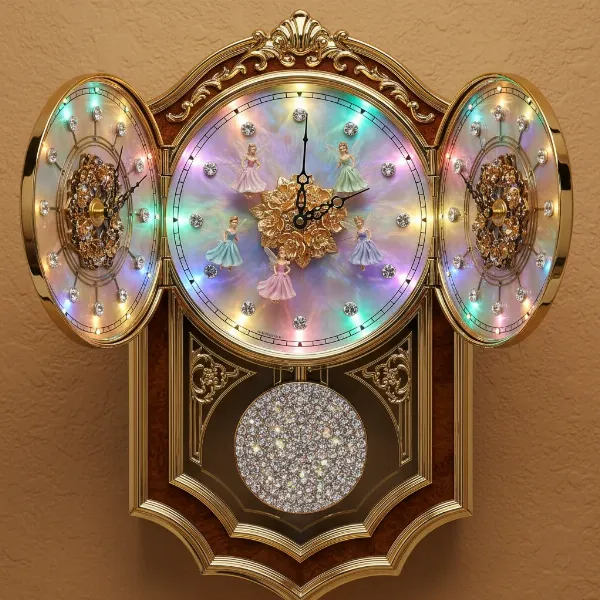
Few things are as frustrating as a beloved wall clock that has suddenly stopped ticking. Once a focal point, now a static display, a broken clock can disrupt the harmony of a room and leave you wondering if its time is truly up. As the Admin of wallclockus.com and a technician with over a decade of experience, I understand the intricacies of these timepieces. While a quartz clock is known for its reliability and precision, occasional hiccups can occur. This guide will walk you through the most common reasons why your quartz clock might have ceased functioning and provide practical, step-by-step solutions to bring it back to life, or guide you on when a replacement mechanism is the best path forward.
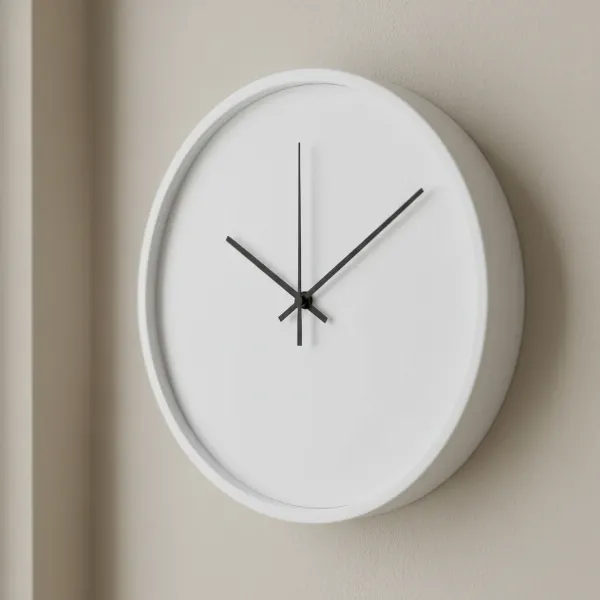 A beautiful minimalist wall clock with its hands stopped, showing the time.
Wall Clocks: A Comprehensive A-Z Guide
History of Wall Clocks
|
Our Picks for the Best Wall clock in 2026
As an Amazon Associate I earn from qualifying purchases.
|
||
| Num | Product | Action |
|---|---|---|
| 1 | AKCISOT Wall Clock,Boho Kitchen 10 Inch Wall Clocks Battery Operated Non Ticking,Silent Modern Clock Decorative for Bedroom,Office,Bathroom,Living Room,Home (Wood Grain) |

|
| 2 | AKCISOT Atomic 10 Inch Wall Clock Analog Clocks for Indoor Kitchen, Battery Operated Clock for Bedroom Office Classroom Living Room(Black) |
|
| 3 | WallarGe 14.5'' Large Digital Wall Clock Battery Operated with Jumbo Numbers, Temperature and Date - Easy to Read and Set, Auto DST |
|
| 4 | AKCISOT Wall Clock, Modern Small Wall Clocks Battery Operated 8 Inch, Silent Non-Ticking Analog Classic for Office, Home, Bathroom, Kitchen, Bedroom, School(Silver) |
|
| 5 | HIIXHC Wall Clock, Modern Digital Wall Clocks Battery Operated 10 Inch, Silent Non-Ticking Kitchen Clock, Small Classic Analog Clock Decorative for Living Room Decor, Bedroom,Office, Classroom |
|
| 6 | AKCISOT Wall Clock, Modern Small Wall Clocks Battery Operated 8 Inch, Silent Non-Ticking Analog Classic for Office, Home, Bathroom, Kitchen, Bedroom, School(Black) |
|
| 7 | AKCISOT Atomic 10 Inch Wall Clock Analog Clocks for Indoor Kitchen, Battery Operated Clock for Bedroom Office Classroom Living Room(Silver) |
|
| 8 | AKCISOT Wall Clock, Modern Small Wall Clocks Battery Operated 8 Inch, Silent Non-Ticking Analog Classic for Office, Home, Bathroom, Kitchen, Bedroom, School(White) |
|
| 9 | AKCISOT Wall Clock 10 Inch Silent Non-Ticking Modern Clocks Battery Operated - Analog Small Classic for Office, Home, Bathroom, Kitchen, Bedroom, School, Living Room(Black) |
|
| 10 | AKCISOT Wall Clock 10 Inch Silent Wall Clocks Battery Operated Non Ticking - Modern Silver Clock Decorative for Kitchen, Bathroom, Bedroom, Living Room, Office, Home(Silver) |
|
The journey of timekeeping is a fascinating one, beginning with rudimentary devices like ancient sundials and water clocks. The significant leap came with the invention of mechanical clocks in medieval Europe during the 13th and 14th centuries, often found in grand church towers. The 17th century saw another revolution with Christiaan Huygens’ development of the pendulum clock, dramatically improving accuracy. However, it was the 20th century that truly democratized precise timekeeping with the advent of the quartz clock. Invented by Warren Marrison in America in 1927 and later by Issac Koga in Japan in 1937, quartz clocks brought unmatched accuracy, reliability, and low maintenance to the masses. The introduction of solid-state digital electronics in the 1980s made them compact and inexpensive, leading to their widespread use in almost all modern timekeeping devices.
Popular Types of Wall Clocks Today
Today’s market offers a diverse range of wall clocks, each with its own charm and mechanism. Understanding these types helps in appreciating their unique attributes and, crucially, in troubleshooting.
- Mechanical Clocks: These are the traditional timekeepers, celebrated for their intricate gears, springs, and often a visible pendulum. They are a testament to engineering and artistry, often requiring regular winding and sometimes professional servicing. Their “soulful” ticking and visual complexity are often highly valued.
- Quartz Clocks: By far the most common type for wall clocks, quartz movements are battery-operated and utilize a small quartz crystal oscillator. This crystal vibrates at an incredibly precise frequency when an electrical current is applied, generating consistent pulses that accurately measure time. Quartz clocks are renowned for their superior accuracy and minimal maintenance compared to their mechanical counterparts. However, their internal plastic gears are generally not designed for repair, making movement replacement a common solution if internal damage occurs.
- Digital Clocks: These modern clocks display time numerically, often featuring additional functionalities like alarms, date displays, and backlighting. They can be powered electronically and are known for their clear, easy-to-read displays.
- Cuckoo and Decorative Clocks: These categories often overlap and refer more to the aesthetic design or specialized features rather than the core mechanism. Cuckoo clocks typically house mechanical movements, while decorative clocks can feature either mechanical or quartz movements, chosen primarily for their visual appeal.
Guide to Choosing the Right Wall Clock for Repair or Replacement
When your wall clock stops, the first decision is whether to attempt a repair or consider a full replacement of the mechanism. This decision often hinges on the clock’s sentimental value, the extent of the damage, and the cost-effectiveness of repairs.
- Determining the Extent of the Problem: Before committing to a new mechanism, carefully troubleshoot the issues outlined in our maintenance section. If simple fixes like battery replacement or hand adjustments don’t work, it likely points to an issue within the movement.
- Assessing Your Current Movement for Replacement: If the movement itself is the problem, you’ll need to identify its specifications for a suitable replacement. Key measurements include:
- Shaft Length: This is crucial. Measure the threaded portion of the shaft that protrudes through the clock face, as well as the overall shaft length from the movement base. This ensures the new movement’s shaft is long enough to accommodate your clock’s dial thickness and any front glass/cover.
- Hand Style and Type: Note the type of hands (hour, minute, second) and their mounting holes. Most replacement kits come with a variety of hands, but knowing your current style helps maintain aesthetics. Consider if you need a “high torque” movement for longer or heavier hands, which require more power to move reliably.
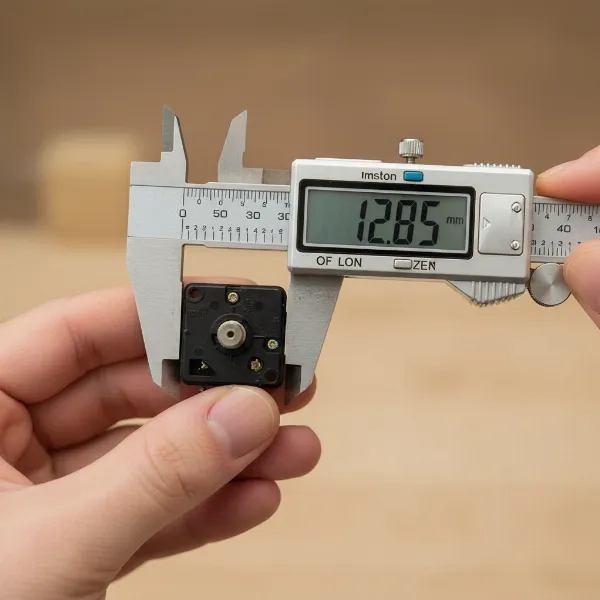 A person accurately measuring the shaft length of a quartz clock movement with digital calipers.
- Finding Replacement Movements: Online retailers and specialized clock shops offer a wide array of quartz replacement movements. Having your measurements handy will simplify the selection process.
Troubleshooting and Repair Steps: Quick Reference
| Common Issue | Immediate Checks/Solutions | When to Consider Movement Replacement | Cost/Effort |
|---|---|---|---|
| Clock completely stopped/running slow | Replace with a new, high-quality alkaline battery. Check polarity. | If new battery doesn’t work. | Low |
| Intermittent stopping/starting | Check battery contacts for corrosion/looseness; clean or adjust. | If contact issues persist. | Low to Medium |
| Hands stuck or rubbing | Gently adjust hands to ensure clearance from each other, dial, and cover. Re-seat loose hands. | If hands are bent beyond repair or shaft is damaged. | Low to Medium |
| Audible clicking, but no hand movement | Possible debris in gears or a weak movement. Try gentle cleaning. | If internal cleaning fails or gears are visibly damaged/worn. | Medium to High |
| No sound or movement after all checks | Likely internal mechanism failure (coil, gears). | Almost always requires replacement. | High |
Wall Clock Usage and Maintenance Guide
Proper usage and regular maintenance are key to the longevity of your quartz wall clock. Here’s how to ensure it keeps ticking accurately.
- Correct Installation: After replacing a movement or initially setting up your clock, ensure it’s hung securely and evenly. An uneven hang can sometimes subtly interfere with hand movement or put strain on the mechanism.
- The Power Source: Replacing Batteries: This is the most frequent fix for a stopped quartz clock. Always use a new, high-quality alkaline battery of the correct size (usually AA or C). Avoid old or cheap batteries, as even a slightly weak charge can cause a quartz movement to run slow or stop altogether. Ensure the battery is inserted with the correct polarity (+ and -). If your clock has been stored, remove the battery to prevent leakage and corrosion. [cite: 2 (from first search), 4 (from first search)]
- Addressing Common Mechanical Issues:
- Misaligned or Rubbing Hands: This is a surprisingly common problem. Carefully remove the clock’s cover (often secured by screws on the back). Gently rotate the hands manually to check if they catch on each other, the clock face, or the glass/plastic cover. If they are touching, carefully bend them slightly to create clearance. If hands appear loose or incorrectly seated on the shaft, gently pull them off (they’re usually tension-fitted) and re-seat them firmly, ensuring the hour, minute, and second hands are installed in the correct order. [cite: 2 (from first search)]
- Cleaning Battery Contacts: If your clock still doesn’t run after a new battery, inspect the metal contact points inside the battery compartment. If you see any corrosion (a powdery green or white substance), gently scrape it off with fine-grit sandpaper or a dry paper towel. You can also slightly bend the contacts to ensure they make firm contact with the battery terminals.
- Cleaning the Internal Mechanism (Handle with Care): For the DIY-savvy, opening the plastic casing of the movement might reveal dust, grime, or even small insects (yes, it happens!). Take a photo before opening for reference. Use compressed air or a soft brush (like a clean toothbrush) to gently remove any debris from the gears. Crucially, never lubricate a quartz clock mechanism with oil, as it can attract more dust and impede the delicate plastic gears. If gears appear broken or worn, it’s generally more practical to replace the entire movement rather than attempt individual gear repair. [cite: 2 (from first search)]
- Overly Heavy or Long Second Hand: Some mechanisms are simply not strong enough to power a particularly long or heavy second hand, leading to intermittent stopping. If this is your issue, you can trim the second hand to make it lighter and shorter, replace it with a smaller one, or remove it entirely. The clock will still function without a second hand. [cite: 2 (from first search)]
- Preventive Care for Longevity: Replace batteries annually. Keep your clock in a stable environment, away from excessive humidity or dust, which can degrade the mechanism over time. Always set the time using the adjustment knob on the back of the movement, not by manually moving the hands.
Home Decorating Tips with Wall Clocks
A functional wall clock is more than just a time-telling device; it’s a statement piece that contributes to your home’s ambiance. A beautiful, working clock can serve as a focal point, drawing the eye and adding a touch of classic elegance or modern flair, depending on its design. Consider the principles of feng shui, where placing a clock in specific areas is believed to enhance positive energy and flow. A clock that consistently keeps time reinforces a sense of order and peace within your living space. By ensuring your wall clock is always in perfect working order, you maintain its aesthetic and practical value, allowing it to seamlessly integrate into your home decor and tell not just time, but also a story of care and attention.
Buying Guide: Considerations When Purchasing a Wall Clock or Replacement Movement
Whether you’re purchasing a new wall clock or just a replacement movement, several factors should guide your decision.
- Budget: Determine how much you’re willing to spend. Replacement movements are generally inexpensive, ranging from $7-20, making them a cost-effective solution for a cherished clock. New wall clocks vary widely in price based on material, size, and features.
- Reputable Buying Locations: For replacement movements, specialized online clock parts retailers or hobby craft stores are good sources. When buying a new clock, consider established brands and retailers that offer good customer service and warranties.
- Warranty and Return Policies: A good warranty provides peace of mind. Check the warranty on replacement movements or new clocks, as this can be invaluable if issues arise shortly after purchase.
- Specifications for Replacement Movements: As discussed, accurate shaft length measurement is paramount. Also, consider the torque of the movement if your clock has large or heavy hands; a “high torque” movement is often necessary for optimal performance.
- Compare Prices: Don’t hesitate to compare prices for similar movements or clocks across different sellers to ensure you’re getting the best value.
Conclusion
A stopped quartz wall clock doesn’t have to be a permanent fixture in your home decor. With a systematic approach to troubleshooting, many common issues can be resolved with simple DIY fixes, from replacing a battery to adjusting misaligned hands. For more persistent problems, or when internal components are damaged, replacing the entire quartz movement offers a straightforward and affordable solution, giving your cherished timepiece a new lease on life. By understanding the common culprits and following these practical steps, you can confidently restore your wall clock to its rhythmic ticking, ensuring it continues to tell time accurately and enhance your living space for years to come. What wall clock repair project will you tackle first?
Frequently Asked Questions
Why does my quartz clock run slow even with a new battery?
If your quartz clock consistently runs slow, even after installing a fresh, high-quality alkaline battery, it could indicate a few issues. The clock hands might be rubbing against each other or the clock face, creating friction. It could also be a sign that the mechanism is starting to weaken, especially if the clock has large or heavy hands that require more power to move.
Can I lubricate the gears of a quartz clock movement?
No, you should never lubricate the plastic gears of a quartz clock movement. Unlike mechanical clocks, quartz movements are designed to run dry. Adding oil or lubricant can attract dust and dirt, leading to more friction and ultimately causing the mechanism to seize up or stop working altogether.
How do I know if I need a high torque quartz movement?
You likely need a high torque quartz movement if your clock has hands longer than 7 inches or if the hands are particularly heavy. Standard movements might struggle to move larger, heavier hands, leading to slow running or stopping. Measure your current hands to determine if a high torque replacement is appropriate.
Is it hard to replace a quartz clock mechanism myself?
Replacing a quartz clock mechanism is generally considered a straightforward DIY task, especially with a step-by-step guide. It primarily involves carefully removing the clock hands, unscrewing a retaining nut, swapping out the old mechanism for a new one, and then reattaching the hands and cover. Measuring the shaft length correctly is the most critical step.