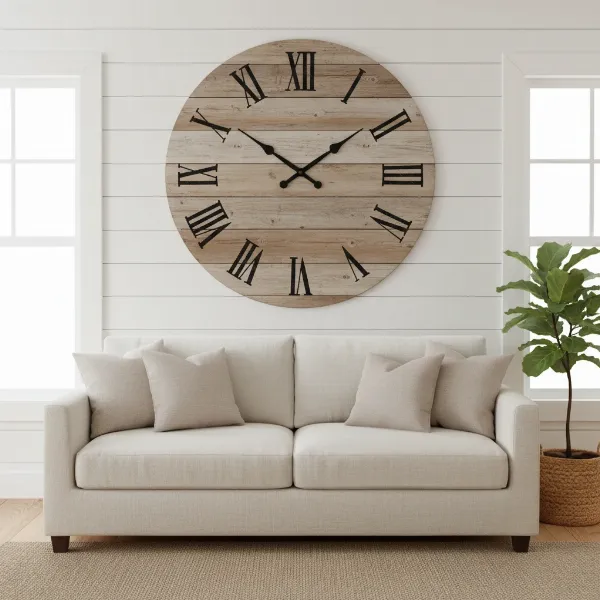
Wall clocks transcend mere timekeeping; they are powerful statements, weaving personality and character into your home’s narrative. As the focal point or a subtle accent, a clock influences the entire ambiance of a room. Yet, with an expansive universe of designs available, the choice between a sleek modern aesthetic and the nostalgic charm of vintage can feel like a daunting task. This comprehensive guide will navigate the intricate world of wall clock styles, contrasting modern and vintage to help you discover the perfect timepiece that resonates with your personal taste and elevates your living space.
Understanding Modern Wall Clocks
Modern wall clocks embody a philosophy of simplicity, functionality, and forward-thinking design. They are defined by clean lines, geometric shapes, and a minimalist approach that strips away unnecessary ornamentation to achieve a sophisticated, streamlined look. These timepieces are often celebrated for their understated elegance, fitting seamlessly into contemporary interiors where “less is more” is a guiding principle.
The materials chosen for modern clocks are typically innovative and industrial, reflecting a contemporary sensibility. You’ll frequently find them crafted from polished metals like stainless steel or brushed aluminum, crisp glass, raw concrete, or high-quality plastics. These materials contribute to a sleek finish and often highlight the clock’s form rather than its texture. Beyond aesthetics, modern clocks frequently integrate advanced technology, featuring digital displays, smart home compatibility, or silent quartz movements for precise, maintenance-free timekeeping. They are ideal for spaces that embrace innovation and a clutter-free environment, such as minimalist apartments, industrial lofts, or Scandinavian-inspired homes.
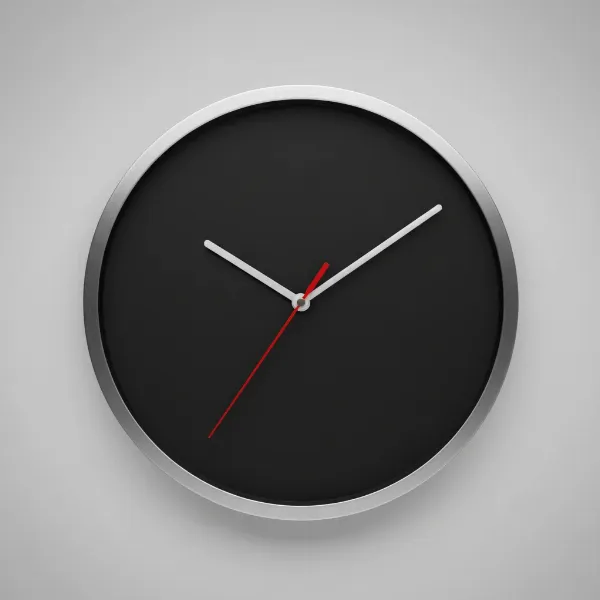 A sleek, minimalist modern wall clock made from brushed metal and glass with simple markers.
Exploring Vintage Wall Clocks
Vintage wall clocks, conversely, offer a delightful journey through time, evoking a sense of history, warmth, and nostalgia. Their appeal lies in their intricate details, classic craftsmanship, and the stories they seem to whisper from bygone eras. These clocks are not just instruments for telling time; they are cherished artifacts that bring a unique character and timeless elegance to any interior.
The craftsmanship of vintage clocks often highlights traditional materials and techniques. Expect to see rich, genuine woods like oak or mahogany, often distressed or featuring intricate carvings. Brass and bronze are common for bezels, hands, and internal movements, often developing a beautiful patina over time. Marble and ornate glass panels also feature prominently, adding to their luxurious feel. Different periods offer distinct vintage styles, from the geometric patterns and luxurious materials of Art Deco clocks (1920s-1930s) to the whimsical, often sculptural forms of Mid-Century Modern designs (1940s-1960s), or the classic, often ornate styles of traditional analog clocks that have adorned homes for centuries. These clocks thrive in traditional, rustic, farmhouse, or eclectic decors, serving as anchors that provide a sense of heritage and comfort.
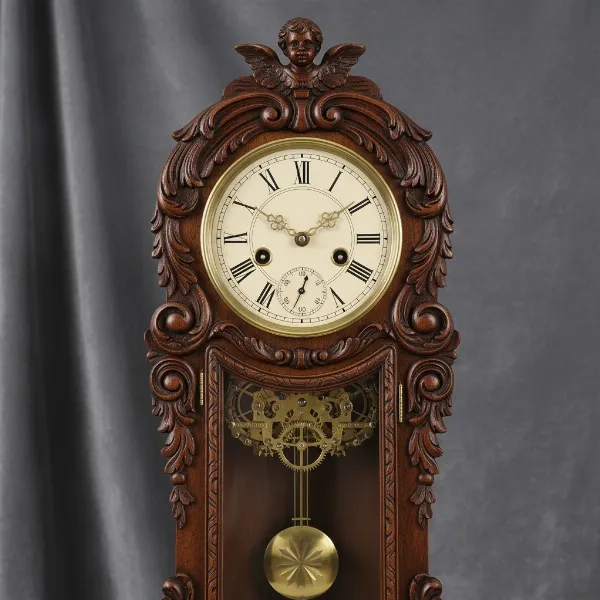 An ornate, classic vintage wall clock made of dark wood with brass accents and decorative carvings.
Modern vs. Vintage: A Direct Comparison
To help you make an informed decision, let’s compare the key attributes of modern and vintage wall clocks side-by-side:
| Feature | Modern Wall Clocks | Vintage Wall Clocks |
|---|---|---|
| Design Aesthetic | Minimalist, clean lines, geometric shapes, sleek | Ornate, intricate details, classic, historical |
| Materials Used | Metal (steel, aluminum), glass, concrete, plastic | Real wood (oak, mahogany), brass, bronze, marble |
| Movement Types | Predominantly silent quartz, often digital displays | Often mechanical (pendulum, chime), visible gears |
| Technology | Smart features, LED displays, precise quartz | Traditional, focuses on craftsmanship |
| Maintenance Needs | Low; battery replacement, occasional dusting | Potentially higher; winding, professional servicing |
How to Choose the Right Wall Clock for Your Space
Selecting the perfect wall clock requires thoughtful consideration of your existing decor, practical needs, and personal aesthetic. The goal is to find a piece that not only tells time but also enhances your home’s story.
First, assess your current decor style. Do you favor the crisp, uncluttered look of a contemporary home, or does your space exude the cozy charm of a traditional setting? A modern clock, with its clean lines, complements minimalist, industrial, or Scandinavian interiors, while a vintage clock with its rich textures and historical details fits beautifully into rustic, bohemian, or classic schemes. Next, consider functionality. Do you need a clock primarily for timekeeping, or are smart features like alarms, temperature displays, or smart home integration a priority? Modern clocks often excel in multi-functional technology, whereas vintage clocks prioritize aesthetic appeal and traditional mechanics. Finally, let your personal style and preference guide you. Which aesthetic genuinely resonates with you? Do you crave the cutting-edge or the comforting echoes of the past? A clock can be a significant investment in your home’s personality, so choose one that truly speaks to you.
The placement and size of your clock are also crucial. A large, oversized wall clock can serve as a stunning focal point in a spacious living room or entryway, while smaller clocks might be part of a gallery wall or accent a console table. Ensure the clock’s scale is proportionate to the wall and surrounding furniture to achieve a balanced look.
“A clock is more than just a time-telling device; it’s a piece of art that reflects the soul of your home. Choosing between modern and vintage is about deciding what story you want your walls to tell.”
Integrating Styles: Blending Old and New
Perhaps you find yourself drawn to elements of both modern and vintage aesthetics. The good news is that these seemingly contrasting styles can coexist harmoniously, creating a dynamic and eclectic interior. Blending old and new adds depth, character, and a personalized touch to your home.
When incorporating a modern clock into a vintage-inspired setting, aim for a “modern twist on traditional.” A sleek, minimalist clock against a backdrop of ornate wallpaper or antique furniture can provide a striking, unexpected contrast that revitalizes the space. For instance, a simple metallic clock can modernize a classic, wood-paneled study without overwhelming its traditional charm.
Conversely, introducing a vintage clock into a modern decor can infuse a clean, contemporary space with warmth, history, and a unique focal point. Consider a grand grandfather clock in a minimalist living room, or a mid-century modern sunburst clock on a plain, light-colored wall. To make this blend seamless, mix and match materials. Pair a beautiful wooden vintage mantel clock with a sleek glass or metal coffee table. Create a gallery wall featuring a collection of antique clocks of varying sizes and styles alongside contemporary artwork. Don’t shy away from unexpected placements; a charming vintage clock in a modern bathroom or kitchen can create a delightful surprise and break the monotony of conventional design. The key is balance and intentionality, ensuring each piece enhances the other without competing for attention.
Maintenance Tips for Your Chosen Timepiece
Regardless of whether you choose a modern or vintage wall clock, proper care ensures its longevity and keeps it looking its best.
General care for all clocks involves regular dusting with a soft, lint-free cloth to prevent buildup. Avoid harsh chemical cleaners, especially on delicate finishes or antique materials, which can cause damage.
For modern quartz clocks, maintenance is generally minimal. The primary task is replacing batteries as needed to ensure accurate timekeeping. Most modern clocks operate on silent quartz movements that require little intervention.
Vintage and mechanical clocks may require more specific attention. If your vintage clock is a mechanical model, it will likely need to be wound regularly, typically once a week. These intricate movements benefit from periodic professional servicing to clean, lubricate, and adjust components, usually every 3-5 years. When handling vintage clocks, especially those with pendulums or weights, avoid touching internal mechanisms with bare hands, as oils can affect the finish and operation. Always consult with a horology expert for specific care instructions tailored to your vintage piece.
Buying Guide: What to Look for
When you’re ready to purchase your wall clock, keep these considerations in mind to ensure you make the best choice:
- Budget: Determine how much you’re willing to invest. Modern clocks vary widely, while authentic vintage pieces can range from affordable finds to significant investments based on rarity, age, and condition.
- Reputable Brands/Sellers: For modern clocks, research brands known for quality and design. For vintage or antique clocks, seek out trusted antique dealers, specialized clock shops, or reputable online marketplaces with clear authenticity guarantees.
- Warranty and Returns: Check the warranty for new clocks and the return policy for all purchases. This is particularly important for vintage items, where condition can sometimes be a concern.
- Material Quality and Movement Type: Inspect the materials. Is the wood solid or veneer? Is the metal sturdy? For vintage clocks, inquire about the movement type (mechanical vs. quartz conversion) and its originality, as this impacts value and maintenance.
- Authenticity (for Vintage Clocks): For true vintage pieces, look for maker’s marks, engravings, or labels. Signs of aging like patina on brass or natural wear on wood are often indicators of authenticity, but avoid pieces with excessive damage unless you plan for restoration.
Conclusion
Choosing between a modern and vintage wall clock is ultimately a personal decision, deeply intertwined with your home’s aesthetic and your individual style. Whether you gravitate towards the sleek simplicity of contemporary designs or the rich, storied elegance of a timepiece from the past, each style offers unique benefits. Modern clocks promise innovation and understated sophistication, while vintage clocks bring warmth, character, and a tangible connection to history. By understanding the distinct characteristics and considering how each style harmonizes with your decor, you can select a wall clock that transcends its functional purpose, becoming a captivating piece of art that enriches your living space.
What story will your next wall clock tell in your home?
Frequently Asked Questions
How do I ensure a vintage clock doesn’t look out of place in a modern home?
|
Our Picks for the Best Wall clock in 2026
As an Amazon Associate I earn from qualifying purchases.
|
||
| Num | Product | Action |
|---|---|---|
| 1 | AKCISOT Wall Clock, Modern Small Wall Clocks Battery Operated 8 Inch, Silent Non-Ticking Analog Classic for Office, Home, Bathroom, Kitchen, Bedroom, School(White) |

|
| 2 | HIIXHC Wall Clock, Modern Digital Wall Clocks Battery Operated 10 Inch, Silent Non-Ticking Kitchen Clock, Small Classic Analog Clock Decorative for Living Room Decor, Bedroom,Office, Classroom |
|
| 3 | AKCISOT Wall Clock, Modern Small Wall Clocks Battery Operated 8 Inch, Silent Non-Ticking Analog Classic for Office, Home, Bathroom, Kitchen, Bedroom, School(Black) |
|
| 4 | AKCISOT Wall Clock,Boho Kitchen 10 Inch Wall Clocks Battery Operated Non Ticking,Silent Modern Clock Decorative for Bedroom,Office,Bathroom,Living Room,Home (Wood Grain) |
|
| 5 | AKCISOT Atomic 10 Inch Wall Clock Analog Clocks for Indoor Kitchen, Battery Operated Clock for Bedroom Office Classroom Living Room(Black) |
|
| 6 | AKCISOT Atomic 10 Inch Wall Clock Analog Clocks for Indoor Kitchen, Battery Operated Clock for Bedroom Office Classroom Living Room(Silver) |
|
| 7 | WallarGe 14.5'' Large Digital Wall Clock Battery Operated with Jumbo Numbers, Temperature and Date - Easy to Read and Set, Auto DST |
|
| 8 | AKCISOT Wall Clock 10 Inch Silent Wall Clocks Battery Operated Non Ticking - Modern Silver Clock Decorative for Kitchen, Bathroom, Bedroom, Living Room, Office, Home(Silver) |
|
| 9 | AKCISOT Wall Clock, Modern Small Wall Clocks Battery Operated 8 Inch, Silent Non-Ticking Analog Classic for Office, Home, Bathroom, Kitchen, Bedroom, School(Silver) |
|
| 10 | AKCISOT Wall Clock 10 Inch Silent Non-Ticking Modern Clocks Battery Operated - Analog Small Classic for Office, Home, Bathroom, Kitchen, Bedroom, School, Living Room(Black) |
|
To seamlessly integrate a vintage clock into a modern home, focus on creating intentional contrast. Use the clock as a striking focal point, perhaps on a minimalist wall. Consider mixing materials, such as pairing a wooden vintage clock with sleek metallic furniture. A curated gallery wall incorporating a vintage clock alongside contemporary art can also bridge the aesthetic gap effectively.
Are modern wall clocks generally more accurate than vintage ones?
Modern wall clocks, particularly those with quartz movements, are generally more accurate than most vintage mechanical clocks. Quartz movements use a battery-powered crystal oscillator for precise timekeeping and require minimal adjustment. Vintage mechanical clocks, while charming, can be affected by environmental factors and may require more frequent winding and professional calibration to maintain accuracy.
What are common materials for modern wall clocks?
Common materials for modern wall clocks include metals like stainless steel or brushed aluminum, glass, concrete, and high-quality plastics. These materials contribute to a sleek, minimalist aesthetic, often emphasizing clean lines and geometric forms. The choice of materials reflects contemporary design trends that prioritize simplicity and sophistication.
What defines a “vintage” clock?
A “vintage” clock typically refers to a timepiece that is at least 20-30 years old, often characterized by designs, materials, and craftsmanship popular in previous eras. These clocks evoke nostalgia and often feature intricate details, traditional materials like real wood or brass, and a classic appeal that contrasts with modern minimalist aesthetics.
Can I find a “silent” vintage clock?
While many vintage mechanical clocks have an audible “tick,” it is possible to find some vintage or vintage-style clocks that use modern, silent quartz movements. If a completely silent operation is important, look for vintage reproductions or refurbished vintage clocks that explicitly state they have a “silent sweep” or “non-ticking” quartz movement. Authentic older mechanical clocks are unlikely to be truly silent.