An old, broken plastic wall clock might seem like a simple item to discard, but its composite nature makes proper disposal a bit more complex than tossing it in the everyday trash. As an experienced technician with a decade dedicated to wall clocks, I understand these timepieces inside and out – from their intricate mechanisms to their aesthetic design. This guide will walk you through the essential steps to recycle your old plastic wall clock responsibly, ensuring its components are handled in an environmentally friendly way, and even inspire you with creative repurposing ideas.
Why Proper Disposal of Your Plastic Wall Clock is Essential
In our modern world, where electronics are ubiquitous, the issue of electronic waste, or e-waste, is a growing concern. Many seemingly simple items, including wall clocks, contain electronic components that can pose environmental risks if not disposed of correctly. Discarding a broken plastic wall clock in regular household trash contributes to landfills, where plastics can take hundreds of years to decompose and electronic parts can leach harmful chemicals into the soil and water.
Recycling isn’t just about reducing landfill waste; it’s about recovering valuable materials like plastics and metals, which can be processed and reused in new products. This conserves natural resources, reduces energy consumption, and minimizes pollution associated with manufacturing new materials. By taking a few extra steps, you can make a significant difference in environmental sustainability.
Understanding Your Plastic Wall Clock’s Anatomy for Recycling
A typical plastic wall clock, especially a battery-operated quartz model, is a blend of various materials. Understanding these components is the first step toward effective recycling:
- Plastic Casing: The outer frame of the clock, usually made from various types of plastic.
- Clock Movement (Mechanism): The internal electronic unit that keeps time, often containing a circuit board, gears, and a small motor. This is considered e-waste.
- Clock Face/Dial: The paper or plastic surface displaying the numbers.
- Hands: Typically made of lightweight metal or plastic.
- Front Cover: Often glass or clear plastic.
- Battery: The power source, usually an AA or AAA battery.
The mix of these materials—plastic, glass, metal, and electronics—is precisely what makes a wall clock unsuitable for standard curbside recycling bins. These programs are generally designed for single-stream materials, and a multi-material item like a clock can contaminate the recycling stream, making the entire batch unrecyclable.
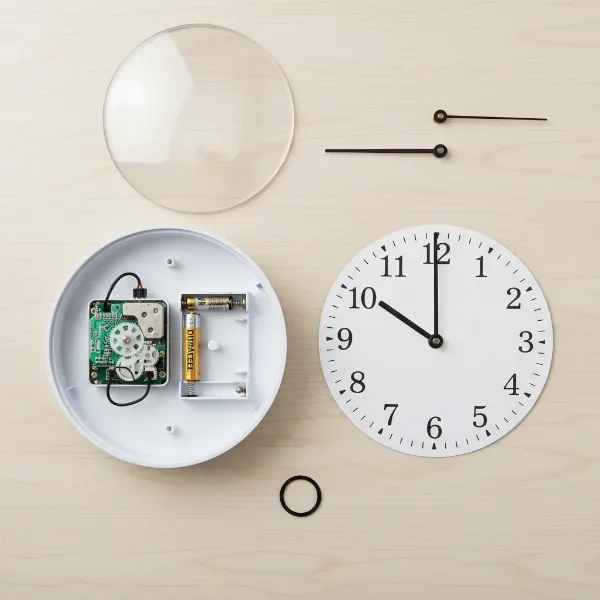 Detailed view of a disassembled wall clock showing its internal components for recycling guide.
Step-by-Step Disassembly: Preparing Your Clock for Recycling
To maximize the recyclability of your old plastic wall clock, it’s best to disassemble it. This allows you to separate materials and ensure each part goes to the correct recycling stream.
Safety First: Tools and Precautions
|
Our Picks for the Best Wall clock in 2026
As an Amazon Associate I earn from qualifying purchases.
|
||
| Num | Product | Action |
|---|---|---|
| 1 | WallarGe 14.5'' Large Digital Wall Clock Battery Operated with Jumbo Numbers, Temperature and Date - Easy to Read and Set, Auto DST |

|
| 2 | AKCISOT Wall Clock 10 Inch Silent Non-Ticking Modern Clocks Battery Operated - Analog Small Classic for Office, Home, Bathroom, Kitchen, Bedroom, School, Living Room(Black) |
|
| 3 | AKCISOT Wall Clock, Modern Small Wall Clocks Battery Operated 8 Inch, Silent Non-Ticking Analog Classic for Office, Home, Bathroom, Kitchen, Bedroom, School(Black) |
|
| 4 | AKCISOT Wall Clock, Modern Small Wall Clocks Battery Operated 8 Inch, Silent Non-Ticking Analog Classic for Office, Home, Bathroom, Kitchen, Bedroom, School(Silver) |
|
| 5 | AKCISOT Wall Clock,Boho Kitchen 10 Inch Wall Clocks Battery Operated Non Ticking,Silent Modern Clock Decorative for Bedroom,Office,Bathroom,Living Room,Home (Wood Grain) |
|
| 6 | AKCISOT Wall Clock, Modern Small Wall Clocks Battery Operated 8 Inch, Silent Non-Ticking Analog Classic for Office, Home, Bathroom, Kitchen, Bedroom, School(White) |
|
| 7 | HIIXHC Wall Clock, Modern Digital Wall Clocks Battery Operated 10 Inch, Silent Non-Ticking Kitchen Clock, Small Classic Analog Clock Decorative for Living Room Decor, Bedroom,Office, Classroom |
|
| 8 | AKCISOT Atomic 10 Inch Wall Clock Analog Clocks for Indoor Kitchen, Battery Operated Clock for Bedroom Office Classroom Living Room(Black) |
|
| 9 | AKCISOT Atomic 10 Inch Wall Clock Analog Clocks for Indoor Kitchen, Battery Operated Clock for Bedroom Office Classroom Living Room(Silver) |
|
| 10 | AKCISOT Wall Clock 10 Inch Silent Wall Clocks Battery Operated Non Ticking - Modern Silver Clock Decorative for Kitchen, Bathroom, Bedroom, Living Room, Office, Home(Silver) |
|
You’ll generally need a small screwdriver set (Phillips and flathead) and possibly pliers or a pry tool. Always work in a well-lit area and be cautious, especially when handling glass components.
Removing the Battery: A Crucial First Step
Before doing anything else, always remove the battery. Batteries, particularly older mercury or lithium types, contain chemicals that are harmful to the environment and should never be thrown into regular trash. Many stores that sell batteries or local recycling centers offer specialized battery recycling drop-off points.
Separating the Plastic Casing
Most plastic wall clocks have a back panel secured by screws or plastic tabs. Carefully remove these to access the internal components. Once the back is off, you can often separate the main plastic casing from the rest of the clock. Look for a recycling symbol (a number inside a triangle) on the plastic. This number indicates the type of plastic and helps local recycling facilities determine if they can accept it.
Extracting the Electronic Movement (The “Brain” of the Clock)
The clock movement is the electronic heart of your timepiece. It’s usually a small plastic box with wires, a circuit board, and a tiny motor. This component is classified as e-waste. It typically attaches to the clock face with a nut and washers or small screws. Carefully detach it.
Handling the Glass or Plastic Cover and Hands
The front cover is often held in place by tabs or a rim. If it’s glass, handle it with extreme care to avoid breakage. Once removed, detach the hands, which are usually pressed onto a central shaft. These are often small pieces of metal or plastic.
Dealing with the Clock Face/Dial
The clock face is usually paper or thin plastic. While it might seem recyclable, if it’s glued to a plastic or cardboard backing, or heavily printed, it might be best to discard it with general waste if local paper recycling guidelines are strict about contaminants.
Recycling Each Component: Where Does Everything Go?
Once disassembled, you can sort your clock’s components for proper recycling.
- Plastic Casing: If your plastic casing has a recycling symbol (e.g., #1 PET, #2 HDPE, #5 PP), check with your local municipal recycling program to see if they accept that specific type of plastic. Some communities have specialized drop-off centers for rigid plastics that aren’t accepted curbside. If no symbol is present or local recycling is unavailable, creative repurposing might be your best option.
- Electronic Movement (E-Waste): The clock’s internal mechanism (the circuit board, wires, and motor) must be treated as e-waste. Many communities have dedicated e-waste recycling events or permanent drop-off sites. Major electronics retailers often offer free recycling programs for small electronics, regardless of where they were purchased.
- Batteries: As mentioned, never throw batteries in the trash. Look for battery recycling bins at supermarkets, hardware stores, libraries, or dedicated recycling centers.
- Metal Components: Small metal parts like screws, metal hands, or decorative elements can often be collected with other scrap metals. If you have a significant amount of scrap metal, a local scrap metal dealer might even pay you for it.
- Glass/Plastic Cover: If the cover is glass, check if your local recycling facility accepts window or tempered glass, as it differs from container glass. Many household recycling programs will accept clear plastic covers if they are clean and clearly marked with a recycling symbol they process.
Beyond the Bin: Creative Repurposing Ideas for Old Clocks
Instead of immediately thinking of recycling, consider giving your old clock a new life through repurposing. This reduces waste and can add a unique touch to your home decor.
- Upcycling the Frame into Decorative Art: The plastic frame, once separated from the mechanism, can become a unique piece of wall art. Paint it, decorate it, or use it as a frame for photos or small mirrors.
- Transforming into Storage or Display: A clock frame can be converted into a shadow box for displaying trinkets, small plants, or collectibles. By adding a flat surface inside, it can become a mini-shelf for keys or other essentials.
- Inspiration for DIY Projects: The empty clock face can be replaced with a favorite photograph or artwork to create a custom photo frame. Alternatively, use the sturdy plastic for craft projects where you need a circular or shaped piece of material. The possibilities are only limited by your imagination!
 Creative art piece made from a repurposed plastic wall clock frame, showcasing upcycling potential.
Finding Your Local Recycling Hubs for Wall Clocks and E-Waste
Locating the right place to recycle each component of your wall clock is crucial.
- Utilizing Online Recycling Locators: Websites like Earth911 or your local government’s waste management site are excellent resources for finding recycling centers in your area. Simply input your zip code and the item you wish to recycle.
- Retailer Take-Back Programs: Many large electronics retailers, such as Best Buy and Staples, accept small electronics for recycling, often free of charge. These stores are designed to handle e-waste responsibly.
- Community E-Waste Collection Events: Keep an eye out for local e-waste collection events, often organized by municipalities or environmental groups. These events provide convenient opportunities to dispose of various electronic items properly.
- Important Note: Why Curbside Recycling Isn’t an Option for Clocks: It bears repeating: never place small electronics like wall clocks into your curbside recycling bin. Curbside systems are not equipped to handle mixed materials, and the compactors in collection trucks can crush and contaminate the recyclable stream, rendering the entire batch unusable.
Expert Advice for a Greener Disposal
“The lifespan of electronics can be extended through mindful consumption, but when items reach their end, responsible recycling is paramount,” says a leading environmental advocate. “Disassembling items like wall clocks allows for valuable materials to be recovered and prevents hazardous components from polluting our planet. It’s a small effort with a massive environmental return.”
Conclusion
Recycling your old, broken plastic wall clock is more than just decluttering; it’s a responsible act that supports environmental health and resource conservation. By taking the time to disassemble your clock and sort its components—separating the plastic casing, the e-waste movement, and the battery—you ensure each part can be processed correctly. Remember to utilize local recycling centers, retailer take-back programs, or e-waste collection events for the electronic parts and batteries, and explore creative ways to repurpose the remaining non-electronic elements. Your efforts contribute to a healthier planet, one recycled wall clock at a time. What unique ways will you choose to give your old wall clock a new purpose or ensure its sustainable end-of-life?
Frequently Asked Questions
Can I just throw a broken plastic wall clock in my regular trash?
No, it is strongly advised against. Broken plastic Wall Clocks contain electronic components and batteries, which are considered e-waste and can leach harmful chemicals into landfills. These items should be separated and recycled through specialized programs.
Are all plastic clock casings recyclable in curbside bins?
Not necessarily. While the casing is plastic, it may not be accepted in standard curbside recycling due to different plastic types or as part of a mixed-material item. Always check for a recycling symbol on the plastic and verify with your local recycling guidelines.
Where can I find an e-waste recycling center near me?
You can find e-waste recycling centers by checking your local municipal waste management website, using online locators like Earth911, or visiting major electronics retailers such as Best Buy and Staples, which often have take-back programs for small electronics.
What should I do with the battery from my old wall clock?
Batteries must always be removed from the clock and recycled separately. Do not dispose of them in regular trash. Look for battery recycling bins at retail stores, hardware shops, or dedicated battery collection points at recycling centers.
Can old clock movements be repaired or reused?
While some enthusiasts might repair vintage clock movements, modern plastic quartz movements are typically not designed for repair. However, if the movement is still functional, it could potentially be reused in a new DIY clock project. Otherwise, dispose of it as e-waste.