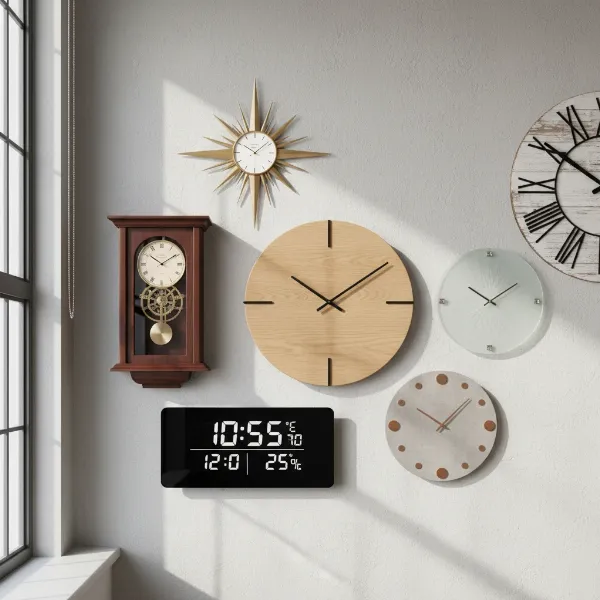
Ever walked into a room and felt a sudden pull towards a ticking masterpiece on the wall? There’s an undeniable allure to a pendulum wall clock, especially one that exudes a traditional look. These timepieces are more than just instruments for telling time; they are captivating focal points, rich in history, and emblematic of timeless design. For those who appreciate classic aesthetics and a touch of vintage elegance, a traditional pendulum wall clock can transform a space, infusing it with character and a sense of enduring sophistication. This comprehensive guide will help you navigate the world of traditional pendulum wall clocks, from their fascinating history to choosing and caring for the perfect one to complement your home.
History of Wall Clocks: A Timeless Evolution
The journey of the pendulum clock began with the brilliant mind of Dutch scientist Christiaan Huygens. Inspired by Galileo Galilei’s observations of pendulums around 1602, Huygens invented and patented the first pendulum clock on December 25, 1656. This invention dramatically improved timekeeping accuracy, reducing daily time loss from approximately 15 minutes to a mere 15 seconds.
Over the centuries, significant innovations further refined these remarkable devices. The introduction of the anchor escapement around 1670 allowed for smaller pendulum swings, which enhanced accuracy and enabled the development of longer, slower pendulums. This paved the way for the “seconds pendulum” – a pendulum where each swing takes one second – and the emergence of the tall case clock, later known as the grandfather clock. The minute hand was added to clock dials around 1690, reflecting the increased precision these new mechanisms offered. Until the 1930s, pendulum clocks were the world’s most precise timekeepers, serving as primary standards for daily life, work, and transportation.
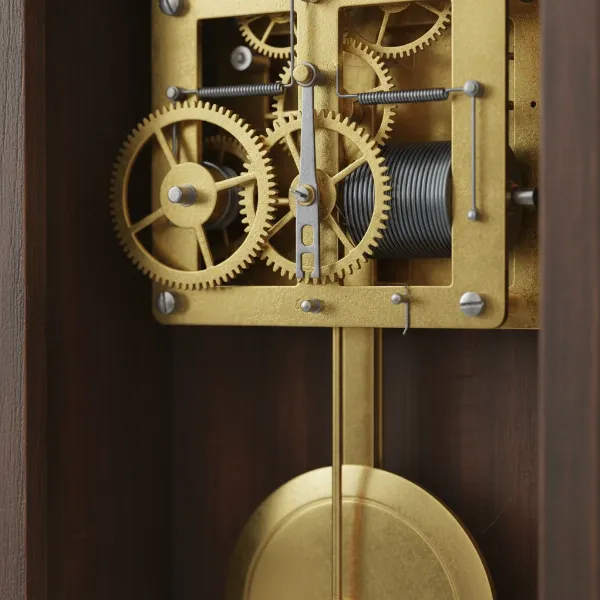 Close-up of intricate gears and pendulum inside a mechanical wall clock
Initially, clocks were handmade, expensive, and served as prominent status symbols for the wealthy, often featuring rich ornamentation and distinctive regional styles developed by European clockmakers. By the 19th century, factory production made pendulum clocks more accessible to middle-class families. Although less-expensive synchronous electric clocks replaced them for practical timekeeping in the 1930s and 1940s, pendulum clocks continue to be cherished for their decorative beauty, antique value, and the nostalgic charm they bring to any setting.
Types of Traditional Pendulum Wall Clocks
When seeking a traditional pendulum wall clock, you’ll primarily encounter two main types based on their movement: mechanical and quartz. Each offers a distinct experience and set of characteristics suitable for different preferences.
Mechanical Pendulum Clocks
Mechanical pendulum clocks are the epitome of traditional craftsmanship. They operate through a complex system of gears, springs, or weights, requiring manual winding to keep time.
- Advantages: These clocks offer genuine authenticity and a tangible connection to horological history. Their intricate internal mechanisms are a testament to skilled artistry. Many mechanical clocks feature beautiful chimes, such as the Westminster, Ave Maria, or Bim Bam melodies, which strike on the hour or quarter-hour, filling your home with rich, resonant sounds.
- Disadvantages: Mechanical clocks require more maintenance. They need regular winding (daily, weekly, or bi-weekly, depending on the movement), and professional servicing every five years is recommended to ensure longevity and accuracy. They can also be more susceptible to environmental factors like humidity and temperature.
- Maintenance: Beyond regular winding, professional cleaning and oiling are crucial to prevent dust and oil buildup from seizing the mechanism and wearing out bearings.
|
Our Picks for the Best Wall clock in 2026
As an Amazon Associate I earn from qualifying purchases.
|
||
| Num | Product | Action |
|---|---|---|
| 1 | AKCISOT Atomic 10 Inch Wall Clock Analog Clocks for Indoor Kitchen, Battery Operated Clock for Bedroom Office Classroom Living Room(Black) |

|
| 2 | AKCISOT Wall Clock 10 Inch Silent Non-Ticking Modern Clocks Battery Operated - Analog Small Classic for Office, Home, Bathroom, Kitchen, Bedroom, School, Living Room(Black) |
|
| 3 | AKCISOT Wall Clock, Modern Small Wall Clocks Battery Operated 8 Inch, Silent Non-Ticking Analog Classic for Office, Home, Bathroom, Kitchen, Bedroom, School(White) |
|
| 4 | AKCISOT Atomic 10 Inch Wall Clock Analog Clocks for Indoor Kitchen, Battery Operated Clock for Bedroom Office Classroom Living Room(Silver) |
|
| 5 | AKCISOT Wall Clock, Modern Small Wall Clocks Battery Operated 8 Inch, Silent Non-Ticking Analog Classic for Office, Home, Bathroom, Kitchen, Bedroom, School(Black) |
|
| 6 | HIIXHC Wall Clock, Modern Digital Wall Clocks Battery Operated 10 Inch, Silent Non-Ticking Kitchen Clock, Small Classic Analog Clock Decorative for Living Room Decor, Bedroom,Office, Classroom |
|
| 7 | AKCISOT Wall Clock, Modern Small Wall Clocks Battery Operated 8 Inch, Silent Non-Ticking Analog Classic for Office, Home, Bathroom, Kitchen, Bedroom, School(Silver) |
|
| 8 | AKCISOT Wall Clock 10 Inch Silent Wall Clocks Battery Operated Non Ticking - Modern Silver Clock Decorative for Kitchen, Bathroom, Bedroom, Living Room, Office, Home(Silver) |
|
| 9 | AKCISOT Wall Clock,Boho Kitchen 10 Inch Wall Clocks Battery Operated Non Ticking,Silent Modern Clock Decorative for Bedroom,Office,Bathroom,Living Room,Home (Wood Grain) |
|
| 10 | WallarGe 14.5'' Large Digital Wall Clock Battery Operated with Jumbo Numbers, Temperature and Date - Easy to Read and Set, Auto DST |
|
Quartz Pendulum Clocks
Quartz pendulum clocks provide a more modern, low-maintenance alternative while still offering a traditional aesthetic. These clocks are battery-powered and use a quartz crystal oscillator for timekeeping.
- Advantages: Quartz movements are highly accurate and require minimal maintenance, typically only a battery change every year or two. Many models replicate the chiming melodies of mechanical clocks, often including volume control and automatic nighttime shut-off features for convenience. They are generally more affordable than their mechanical counterparts.
- Disadvantages: While their pendulums swing, they are primarily decorative and do not contribute to timekeeping accuracy. They lack the intricate mechanical “heart” and the distinct, subtle ticking sounds that enthusiasts appreciate in a true mechanical clock.
Decorative Pendulum Clocks
Beyond movement type, traditional pendulum wall clocks are often chosen for their aesthetic contributions. These decorative pieces emphasize classic design elements and quality materials. You’ll find styles ranging from elegant regulators with visible pendulums and refined Roman numerals to ornate Victorian-inspired clocks with intricate carvings and rich finishes. The choice of materials like solid woods (oak, walnut, mahogany, cherry), brass, and wrought iron further enhances their traditional appeal, making them perfect statement pieces.
Choosing the Perfect Traditional Pendulum Wall Clock
Selecting the right traditional pendulum wall clock involves considering several factors to ensure it harmonizes with your home and meets your expectations.
- Determine Your Needs and Style: Before anything else, consider the purpose of the clock. Do you primarily want an accurate timepiece, a decorative accent, or a historical focal point? Think about the overall style of your room – is it classic, vintage, farmhouse, or perhaps grandmillennial? Choose a clock that complements, rather than clashes with, your existing decor.
- Select the Right Material: Traditional clocks often feature high-quality materials.
- Wood: Solid hardwoods like oak, walnut, mahogany, and cherry are popular choices, offering warmth and durability. Look for rich finishes, sometimes distressed or antique gray, that enhance the traditional feel.
- Metal: Brass, wrought iron, and antique bronze are common for bezels, hands, and decorative elements. A natural patina on brass often signifies age and quality.
- Dials: Porcelain, enamel, or brass dials with classic Roman numerals are characteristic of traditional designs.
- Choose the Ideal Shape and Size: Pendulum wall clocks come in various shapes, including classic round, square, rectangular, and ornate regulator styles. The size should be proportionate to the wall space and the room. A large clock might overwhelm a small room, while a tiny clock could get lost on a vast wall.
- Consider Color and Finish: Traditional clocks often feature deep, rich colors. Dark browns, cherry reds, golden tones, and antique blacks are common. Ensure the clock’s color palette complements the dominant hues and finishes in your space.
- Research Reputable Brands: Brands such as Howard Miller, Bulova, and Hermle are well-regarded for producing high-quality traditional wall clocks. For those seeking truly antique pieces, exploring historical brands like Seth Thomas or Ansonia can yield exquisite finds, though authenticity verification becomes crucial.
Comparison Table: Popular Traditional Pendulum Wall Clocks
Finding the ideal traditional pendulum wall clock means balancing aesthetic appeal with practical considerations. The table below offers a representative comparison of popular styles from respected brands, highlighting their key attributes to aid your decision.
| Brand | Model Style | Pros | Cons | Est. Price Range |
|---|---|---|---|---|
| Howard Miller | Classic Chiming Regulator | Renowned for exceptional craftsmanship, rich Westminster chimes, often feature intricate wood cases. | Can be a significant investment, often larger in size, may require more wall space. | $400 – $1000+ |
| Bulova | Antique Style Quartz Chiming | Offers classic aesthetics with modern quartz accuracy, lower maintenance, often includes volume control and night shut-off. | Pendulum is typically decorative rather than functional for timekeeping. | $200 – $700 |
| Hermle | Mechanical Key-wound | Authentic German engineering, known for precision mechanical movements and detailed case designs, a favorite among collectors. | Requires consistent manual winding, generally commands a higher price point due to mechanical complexity. | $700 – $3000+ |
Care and Maintenance for Your Pendulum Wall Clock
Proper care and maintenance are essential to preserve the beauty and functionality of your traditional pendulum wall clock, ensuring it becomes a lasting heirloom.
Correct Installation for Optimal Performance
For any pendulum clock, especially mechanical ones, proper installation is paramount. The clock must be hung on a sturdy, level surface. Any tilt or movement can affect the pendulum’s swing, leading to inaccuracies. Use appropriate hardware for your wall type to ensure it’s securely mounted. For mechanical clocks, ensure it is in a location where it will not be frequently bumped or moved, as this can disrupt the delicate mechanism.
Winding and Battery Replacement
- Quartz Clocks: These are battery-operated and typically require AA, C, or D cells. Check your clock’s manual for the correct battery type and how to insert them. Replace batteries regularly, usually once a year, to prevent leakage and ensure consistent performance.
- Mechanical Clocks: Mechanical clocks need to be wound according to their movement type – daily, weekly, or every eight to fourteen days. Refer to your clock’s instructions for the correct winding technique. Avoid over-winding, and ensure the clock is stopped before adjusting the hands to set the time, if applicable.
Cleaning and Professional Servicing
Regular cleaning helps maintain the clock’s appearance. Gently wipe the case with a soft, dry, lint-free cloth. Avoid using harsh chemical cleaners, as these can damage wood finishes or metal patinas. For glass panels, use a glass cleaner sparingly on a cloth, not sprayed directly onto the clock.
Mechanical clocks benefit greatly from professional servicing every five years. This involves cleaning, oiling, and inspecting the movement for wear. This preventative maintenance extends the clock’s lifespan, maintains its accuracy, and can prevent costly repairs down the line.
Troubleshooting Common Issues
- Uneven Ticking: If a mechanical clock sounds uneven, it may not be perfectly level. Use a spirit level to check its alignment on the wall and adjust as needed.
- Pendulum Stops Swinging: For quartz clocks, this usually indicates dead batteries. For mechanical clocks, it could be due to lack of winding, being out of level, or a blockage in the movement. Ensure it’s wound and level first. If the problem persists, professional inspection is recommended.
Decorating with Traditional Pendulum Wall Clocks
A traditional pendulum wall clock is a powerful decorative element that can anchor a room and elevate its aesthetic. Strategic placement and thoughtful integration can maximize its impact.
Ideal Placement for Harmony and Impact
Consider the clock a focal point. A large pendulum clock looks magnificent over a fireplace mantel, above a console table in a hallway, or on a prominent wall in a living or dining room. Ensure there’s ample space around it so it doesn’t feel cramped. From a Feng Shui perspective, placing clocks in the North, Northeast, or Northwest sectors of a home is often considered auspicious, promoting positive energy and career growth. However, it’s generally advised to avoid placing clocks directly facing doors or windows.
Complementing Your Existing Decor
Traditional pendulum clocks pair beautifully with a variety of classic interior design styles. In a Victorian home, choose a clock with ornate carvings and a dark wood finish. For a Colonial or Federal style, a simpler “schoolhouse” or regulator clock in mahogany or cherry would be ideal. In a rustic or farmhouse setting, a distressed wood clock with an aged metal dial can add character. These clocks also shine in a Grandmillennial aesthetic, blending gracefully with antique furniture, patterned wallpapers, and collected curiosities.
Creating a Captivating Focal Point
The key to decorating with a traditional pendulum wall clock is to let it command attention. Its size, intricate details, and the gentle swing of its pendulum naturally draw the eye. You can enhance its presence by positioning it against a contrasting wall color or by subtly lighting it to highlight its craftsmanship. Remember, the goal is not just to tell time, but to tell a story and add a layer of historical depth to your living space.
 Elegant traditional pendulum wall clock as a focal point in a classic living room
Essential Buying Considerations
Making an informed decision when purchasing a traditional pendulum wall clock involves more than just aesthetics; it requires careful consideration of practical aspects to ensure satisfaction and longevity.
- Budget Accordingly: Traditional pendulum clocks vary widely in price. Mechanical clocks, especially those with intricate movements and high-quality materials from renowned brands, will generally be a more significant investment than quartz models. Determine your budget beforehand to narrow down your options effectively.
- Choose Reputable Sellers: Purchase from established clock shops, authorized dealers, or reputable online retailers. These vendors often provide genuine products, expert advice, and reliable customer service. For antique or vintage pieces, seek out specialized antique clock dealers who can offer provenance and authenticity documentation.
- Understand Warranty and Return Policies: A good warranty is crucial, especially for mechanical movements which can be costly to repair. Familiarize yourself with the seller’s return policy in case the clock doesn’t meet your expectations or arrives damaged.
- Read Product Specifications Carefully: Pay close attention to details such as the type of movement (mechanical, quartz), materials used (solid wood, veneer, metal), dimensions, chiming options, and special features like night shut-off. These specifications will dictate the clock’s maintenance requirements and overall aesthetic.
- Compare Prices and Features: Don’t hesitate to compare prices and features across different retailers. While a lower price can be appealing, ensure it doesn’t come at the expense of quality or authenticity, particularly for traditional and antique-style clocks.
- Verify Authenticity for Antique Styles: If you’re looking for an antique pendulum wall clock, vigilance is key. Look for signs of age consistent with genuine antiques, such as a natural patina on metal or slight wear on wood. Ask for documentation of origin, age, and any previous repairs. An expert appraisal can offer peace of mind when investing in a high-value antique.
Conclusion
Traditional pendulum wall clocks are more than just devices to mark the passing hours; they are symbols of heritage, craftsmanship, and enduring style. From the ingenious invention by Christiaan Huygens to their present-day role as cherished decorative pieces, these clocks have captivated generations with their rhythmic swing and timeless beauty. Whether you opt for the intricate mechanics of a key-wound masterpiece or the reliable accuracy of a chiming quartz model, a traditional pendulum wall clock promises to imbue your home with a profound sense of history and an elegant charm that transcends fleeting trends. By understanding their history, appreciating their diverse types, and applying thoughtful consideration to your purchase and care, you can select a timepiece that not only tells time but also tells a story within the walls of your cherished space.
Which traditional pendulum wall clock will you choose to grace your home and echo the beauty of time itself?
Frequently Asked Questions
What defines a “traditional” pendulum wall clock?
A traditional pendulum wall clock is characterized by classic design elements, often drawing inspiration from historical styles like Victorian, Colonial, or regulator clocks. Key features include solid wood cases, ornate carvings, Roman numerals, brass accents, and often, a visible, swinging pendulum, accompanied by rich chiming melodies.
Are mechanical or quartz pendulum clocks better for a traditional look?
For the most authentic traditional look and feel, a mechanical pendulum clock is generally preferred due to its intricate craftsmanship and genuine ticking and chiming sounds. However, quartz pendulum clocks offer a traditional aesthetic with modern accuracy and lower maintenance, making them a practical choice for many homes.
How often do mechanical pendulum wall clocks need winding?
The winding frequency for mechanical pendulum wall clocks depends on their specific movement. Some require daily winding, while others, commonly known as “8-day” or “14-day” movements, need to be wound weekly or bi-weekly. Always consult the clock’s manual for precise instructions.
Can a pendulum wall clock be used in any room?
While pendulum wall clocks can enhance nearly any room, they are best suited for areas where their presence can be appreciated as a focal point, such as living rooms, dining rooms, studies, or spacious hallways. For mechanical clocks, choose a location free from frequent movement or excessive humidity to maintain accuracy.
What brands are known for high-quality traditional pendulum wall clocks?
Several brands are recognized for their high-quality traditional pendulum wall clocks. Howard Miller is well-known for classic designs and chimes, while Bulova offers a range of antique-style quartz options. Hermle is acclaimed for its German-engineered mechanical movements, and historical brands like Seth Thomas and Ansonia are sought after by antique collectors.